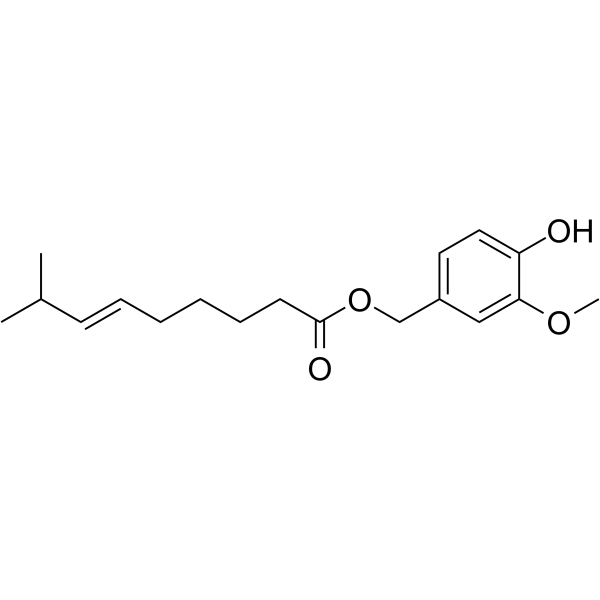
TRPV1
TRPV1 (transient receptor potential vanilloid 1) is a non-selective cation channel predominantly expressed in peripheral nociceptors, where it functions as a molecular sensor for noxious heat, capsaicin, protons, and other harmful stimuli, thereby contributing to pain detection and thermosensation[1][2]. TRPV1 activation permits cation influx, particularly Ca2+, and integrates multiple nociceptive signals that drive neuronal excitation and inflammatory pain responses[2][3]. Mechanistically, TRPV1 undergoes sensitization in response to inflammatory mediators and chronic pain states, enhancing the transduction of nociceptive signaling and promoting hyperalgesia through inflammatory signaling pathways[3][4][5]. In disease models, altered TRPV1 activity has been implicated in inflammatory pain, neuropathic pain, diabetic peripheral neuropathy, cancer-associated pain, and other disorders characterized by persistent nociceptive sensitization[3][4][6]. Compared with related transient receptor potential channels, TRPV1 is distinguished by its robust activation by capsaicin and noxious heat, whereas TRPA1 primarily functions as a chemical irritant sensor despite frequent co-expression in nociceptive afferents[7][8]. This functional specialization makes TRPV1 a central experimental model for investigating pain transduction, neuro-immune communication, and inflammatory signaling[3][6]. For experimental applications, capsaicin is widely used as a selective TRPV1 agonist to activate or desensitize TRPV1-positive neurons, whereas antagonists such as capsazepine serve as pharmacological tools for dissecting TRPV1-dependent mechanisms and evaluating analgesic strategies[6][9].
References:
- [1]. Caterina MJ, et al. The capsaicin receptor: a heat-activated ion channel in the pain pathway. Nature. 1997 Oct 23;389(6653):816-24. [Content Brief]
- [2]. Sujan MA, et al. Managing competing organizational priorities in clinical handover across organizational boundaries. J Health Serv Res Policy. 2015 Jan;20(1 Suppl):17-25. [Content Brief]
- [3]. Immke DC, et al. The TRPV1 receptor and nociception. Semin Cell Dev Biol. 2006 Oct;17(5):582-91. [Content Brief]
- [4]. Wang Y, et al. TRPV1 SUMOylation regulates nociceptive signaling in models of inflammatory pain. Nat Commun. 2018 Apr 18;9(1):1529. [Content Brief]
- [5]. Li T, et al. TRPV1 feed-forward sensitisation depends on COX2 upregulation in primary sensory neurons. Sci Rep. 2021 Feb 10;11(1):3514. [Content Brief]
- [6]. Gao N, et al. The dual role of TRPV1 in peripheral neuropathic pain: pain switches caused by its sensitization or desensitization. Front Mol Neurosci. 2024 Sep 9;17:1400118. [Content Brief]
- [7]. Gouin O, et al. TRPV1 and TRPA1 in cutaneous neurogenic and chronic inflammation: pro-inflammatory response induced by their activation and their sensitization. Protein Cell. 2017 Sep;8(9):644-661. [Content Brief]
- [8]. Raftery J. Mental health services in transition: the United States and the United Kingdom. Br J Psychiatry. 1992 Nov;161:589-93. doi: 10.1192/bjp.161.5.589. PMID: 1422604. et al. Mental health services in transition: the United States and the United Kingdom. Br J Psychiatry. 1992 Nov;161:589-93. [Content Brief]
-
TRPV1 Related Products (60)
Related Products (60)

-
Anandamide
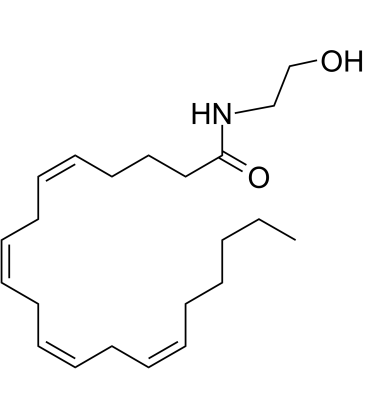 0 ImagesSynonyms: AEA; Arachidonoyl ethanolamideAnandamide is an endocannabinoid. Anandamide modulates both neuronal and immune functions through two protein-coupled cannabinoid receptors (CB1 and CB2). Anandamide can activate numerous other receptors like PPARS, TRPV1, and GPR18/GPR55. Anandamide also has potential anti-fungal and anti-inflammatory activities. Anandamide can be used for the research of Alzheimer’s disease (AD) and ulcerative colitis.
-
SB-366791
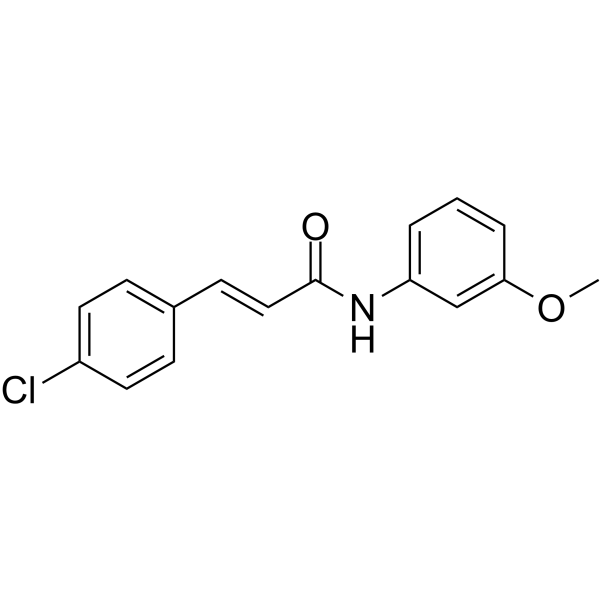 0 ImagesSB-366791 is a potent and selective vanilloid receptor (VR1/TRPV1) antagonist (IC50=5.7 nM). SB-366791 can be used for the research of inflammation.
-
Dihydrocapsaicin
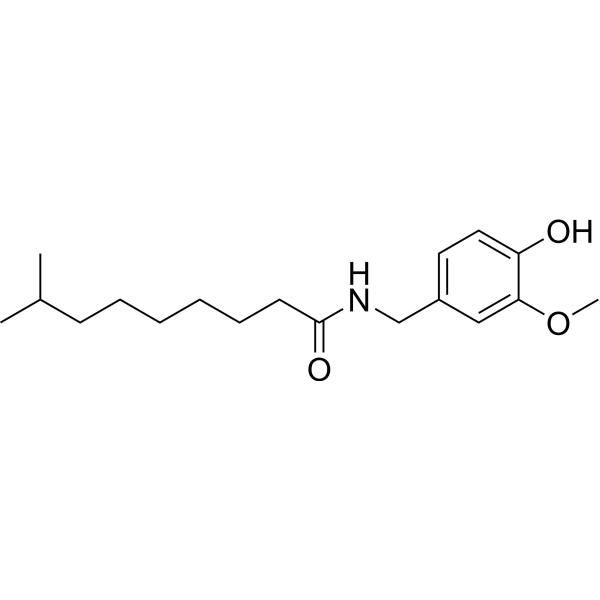 0 ImagesDihydrocapsaicin, a capsaicin, is a potent and selective TRPV1 (transient receptor potential vanilloid channel 1) agonist. Dihydrocapsaicin reduces AIF, Bax, and Caspase-3 expressions, and increased Bcl-2, Bcl-xL and p-Akt levels. Dihydrocapsaicin enhances the hypothermia-induced neuroprotection following ischemic stroke via PI3K/Akt regulation in rat.
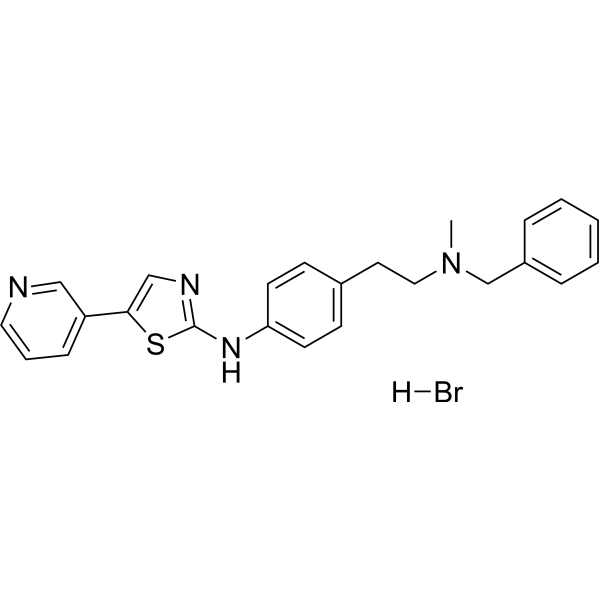
-
LE135
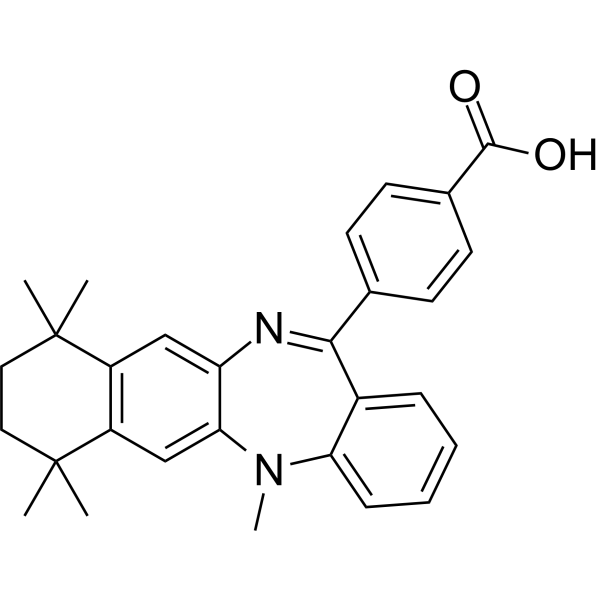 0 ImagesLE135 is a potent RAR antagonist that binds selectively to RARα (Ki of 1.4 μM) and RARβ (Ki of 220 nM), and has a higher affinity to RARβ. LE135 is highly selective over RARγ, RXRα, RXRβ and RXRγ. LE135 is also a potent TRPV1 and TRPA1 receptors activator with EC50s of 2.5 μM and 20 μM, respectively.
-
Tivanisiran
 0 ImagesCat. No.: HY-132596CAS No.: 1848224-71-4Synonyms: SYL1001Tivanisiran (SYL1001) is a small interfering RNA (siRNA) targeting TRPV1 . Tivanisiran induces the degradation of TRPV1 mRNA, thereby inhibiting protein synthesis. Tivanisiran alleviates ocular discomfort and pain, and improves ocular hyperemia and tear quality. Tivanisiran is applicable to research related to dry eye disease.
-
Dexbrompheniramine
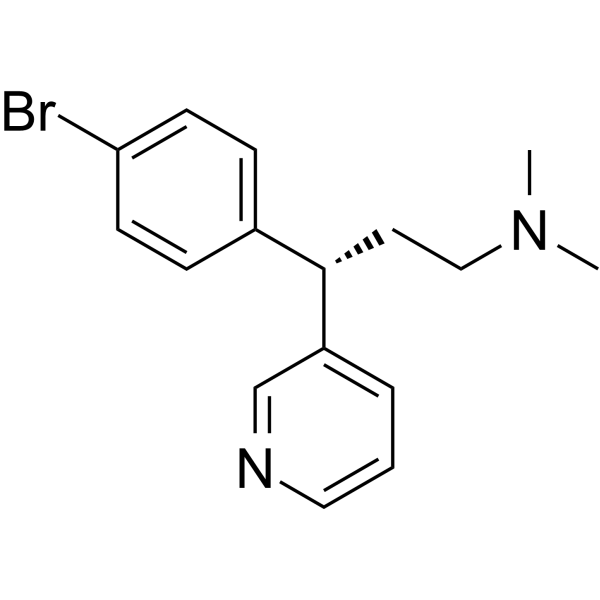 0 ImagesSynonyms: (+)-Brompheniramine; (S)-BrompheniramineDexbrompheniramine ((+)-Brompheniramine; (S)-Brompheniramine) is a dual inhibitor of histamine H1 receptor and TRPV1 receptor that can cross the blood-brain barrier. Dexbrompheniramine exerts its effects by functionally blocking H1 receptor activity and dose-dependently inhibiting TRPV1-mediated calcium responses, including Capsaicin (HY-10448)-induced responses. The combination of Dexbrompheniramine with Cimetidine (HY-14289) eliminates histamine-induced and sham-feeding-induced drinking behavior, whereas Dexbrompheniramine alone does not induce thirst or alter sham-feeding behavior in rats. Dexbrompheniramine can be used in the research of chronic cough and related pathological mechanisms.
-
N-Arachidonoylserotonin
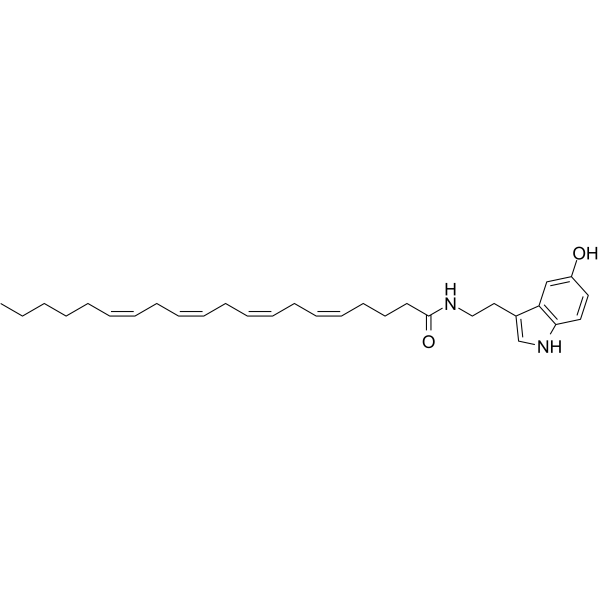 0 ImagesSynonyms: Arachidonyl serotonin; AA-5-HTN-Arachidonoylserotonin (Arachidonyl serotonin) is a dual FAAH inhibitor and TRPV1 antagonist. N-Arachidonoylserotonin blocks Anandamide (HY-10863) hydrolysis, increases brain Anandamide levels, and promotes CB1 receptor signaling in the dorsal hippocampus. N-Arachidonoylserotonin normalizes HPA axis dysregulation, reduces plasma corticosterone levels, and induces anxiolytic-like effects in mice. N-Arachidonoylserotonin reverses behavioral despair, inhibits contextual fear memory retrieval, and produces dose-dependent antinociceptive effects in rodents. N-Arachidonoylserotonin inhibits intestinal motility. N-Arachidonoylserotonin can be used to study stress-related disorders, traumatic memory and related psychiatric disorders, pain, and intestinal motility disorders.
-
N-Oleoyldopamine
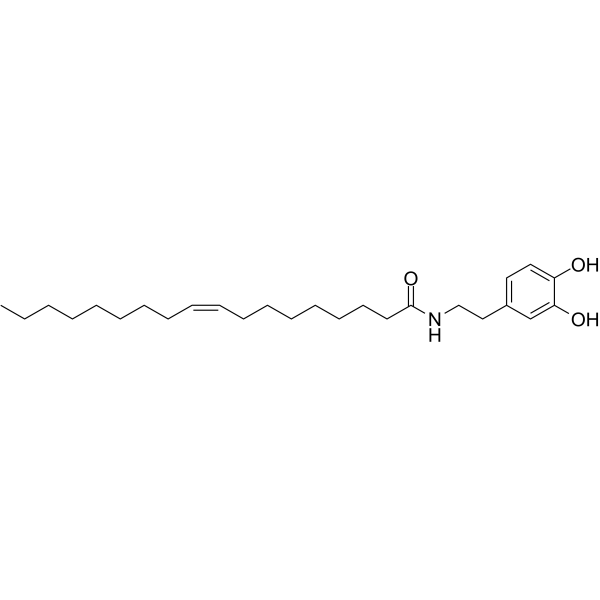 0 ImagesSynonyms: OLDAN-Oleoyldopamine (OLDA) is an orally active TRPV1 activator and 5-LOX inhibitor with blood-brain barrier permeability. N-Oleoyldopamine excites histaminergic neurons in the tuberomammillary nucleus via a dopamine receptor mechanism, a process independent of TRPV1 and cannabinoid receptors. On one hand, N-Oleoyldopamine promotes the release of insulin and glucose-dependent insulinotropic polypeptide through a GPR119-dependent pathway to improve glucose tolerance; on the other hand, N-Oleoyldopamine improves left ventricular function and reduces myocardial infarction size by triggering the release of substance P and calcitonin gene-related peptide. N-Oleoyldopamine is used in studies related to glycemic abnormalities and myocardial ischemia-reperfusion injury.
-
Moringin
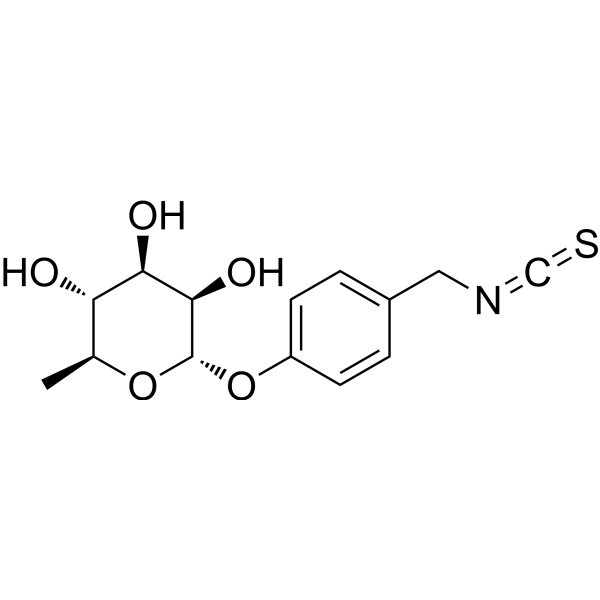 0 ImagesMoringin is a potent and selective TRPA1 ion channel natural agonist with an EC50 of 3.14 μM. Moringin does not activate or activates very weakly the vanilloids somatosensory channels TRPV1, TRPV2, TRPV3 and TRPV4, and the melastatin cooling receptor TRPM8. Moringin has hypoglycemic, antimicrobial, anti-inflammatory, anticancer and neuroprotection activities.
-
Tivanisiran sodium
 0 ImagesCat. No.: HY-132596ACAS No.: 1848239-71-3Synonyms: SYL1001 sodiumTivanisiran sodium (SYL1001 sodium) is a small interfering RNA (siRNA) targeting TRPV1 . Tivanisiran sodium induces the degradation of TRPV1 mRNA, thereby inhibiting protein synthesis. Tivanisiran sodium alleviates ocular discomfort and pain, and improves ocular hyperemia and tear quality. Tivanisiran sodium is applicable to research related to dry eye disease.
-
Pinocembrin 7-O-[3''-O-galloyl-4'',6''-hexahydroxydiphenoyl]-β-D-glucoside
![Pinocembrin 7-O-[3''-O-galloyl-4'',6''-hexahydroxydiphenoyl]-β-D-glucoside](https://file.medchemexpress.com/product_pic/hy-n5084.gif "Click to View Pinocembrin 7-O-[3''-O-galloyl-4'',6''-hexahydroxydiphenoyl]-β-D-glucoside Product Detail") 0 ImagesPinocembrin 7-O-[3''-O-galloyl-4'',6''-hexahydroxydiphenoyl]-β-D-glucoside is a TRPV1 antagonist and HDAC7 inhibitor. Pinocembrin 7-O-[3''-O-galloyl-4'',6''-hexahydroxydiphenoyl]-β-D-glucoside blocks TRPV1-mediated calcium influx, suppresses phosphorylation of p65, IκBα, p38, JNK, and ERK1/2, inhibiting NF-κB and MAPK signaling cascades. Pinocembrin 7-O-[3''-O-galloyl-4'',6''-hexahydroxydiphenoyl]-β-D-glucoside reduces production and gene expression of pro-inflammatory cytokines IL-1β, IL-6, and TNF-α. Pinocembrin 7-O-[3''-O-galloyl-4'',6''-hexahydroxydiphenoyl]-β-D-glucoside exhibits potent analgesic activity, elevates thermal pain threshold and mechanical pain threshold in murine models. Pinocembrin 7-O-[3''-O-galloyl-4'',6''-hexahydroxydiphenoyl]-β-D-glucoside restores CD8+ T cell infiltration into bladder cancer tumors and improves bladder cancer immunotherapy efficacy. Pinocembrin 7-O-[3''-O-galloyl-4'',6''-hexahydroxydiphenoyl]-β-D-glucoside can be used for the researches of painand bladder cancer.
0 ImagesPinocembrin 7-O-[3''-O-galloyl-4'',6''-hexahydroxydiphenoyl]-β-D-glucoside is a TRPV1 antagonist and HDAC7 inhibitor. Pinocembrin 7-O-[3''-O-galloyl-4'',6''-hexahydroxydiphenoyl]-β-D-glucoside blocks TRPV1-mediated calcium influx, suppresses phosphorylation of p65, IκBα, p38, JNK, and ERK1/2, inhibiting NF-κB and MAPK signaling cascades. Pinocembrin 7-O-[3''-O-galloyl-4'',6''-hexahydroxydiphenoyl]-β-D-glucoside reduces production and gene expression of pro-inflammatory cytokines IL-1β, IL-6, and TNF-α. Pinocembrin 7-O-[3''-O-galloyl-4'',6''-hexahydroxydiphenoyl]-β-D-glucoside exhibits potent analgesic activity, elevates thermal pain threshold and mechanical pain threshold in murine models. Pinocembrin 7-O-[3''-O-galloyl-4'',6''-hexahydroxydiphenoyl]-β-D-glucoside restores CD8+ T cell infiltration into bladder cancer tumors and improves bladder cancer immunotherapy efficacy. Pinocembrin 7-O-[3''-O-galloyl-4'',6''-hexahydroxydiphenoyl]-β-D-glucoside can be used for the researches of painand bladder cancer.
-
(±)-Eriodictyol
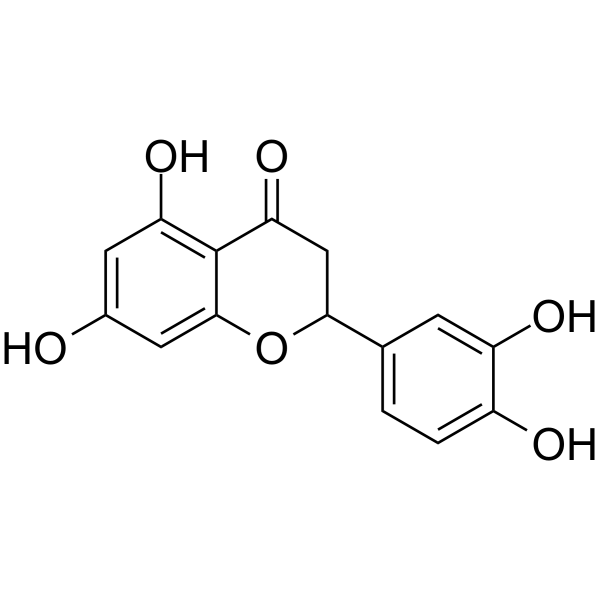 0 Images(±)-Eriodictyol ((±)-Huazhongilexone; Dihydroluteolin) is an orally active TRPV1 receptor antagonist (IC50=44-47 nM, rTRPV1) with antioxidant and anti-inflammatory activities. (±)-Eriodictyol effectively inhibits lipid peroxidation and the release of proinflammatory cytokines by specifically antagonizing the TRPV1 receptor and activating the Nrf2 signaling pathway. (±)-Eriodictyol reduces the levels of ICAM-1, VEGF, eNOS and TNF-α in the retina and maintains the integrity of the blood-retinal barrier. (±)-Eriodictyol alleviates oxidative stress-induced apoptosis and hyperalgesia, enhances the activity and cytotoxicity of immune cells (such as B lymphocytes, NK cells and macrophages), and increases the levels of antioxidant enzymes simultaneously. (±)-Eriodictyol can be used in the research of diabetic retinopathy, acute lung injury and various pain-related diseases.
-
N-Arachidonyldopamine
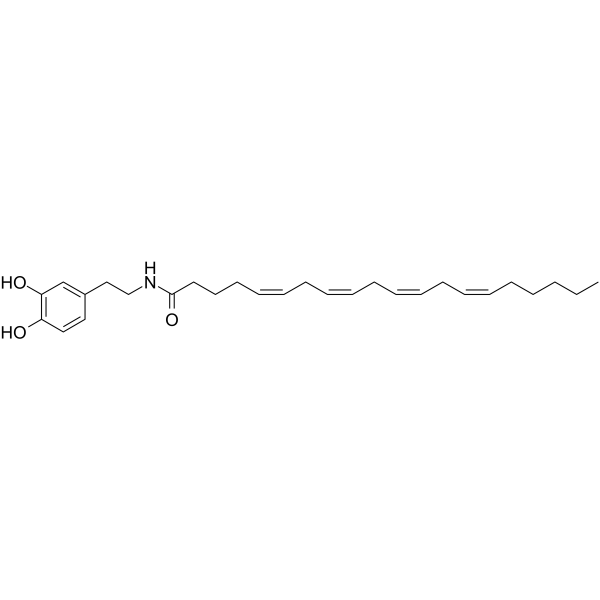 0 ImagesN-Arachidonyldopamine acts as an Anandamide (HY-10863) membrane transport inhibitor, a selective CB1 cannabinoid receptor agonist, and a VR1 receptor activator. It exhibits an EC50 value of 48 nM for rat VR1 and a Ki value of 0.25 μM for CB1. N-Arachidonyldopamine exists in mammalian neural tissues. It stimulates intracellular Ca2+ mobilization, mediates cannabinoid-like effects, and induces hypothermia, hypomotility, catalepsy, analgesia, and hyperalgesia to heat. N-Arachidonyldopamine possesses anticancer activity against breast cancer. It can be used in research related to breast cancer and heat hyperalgesia.
-
TRPV1 antagonist 3
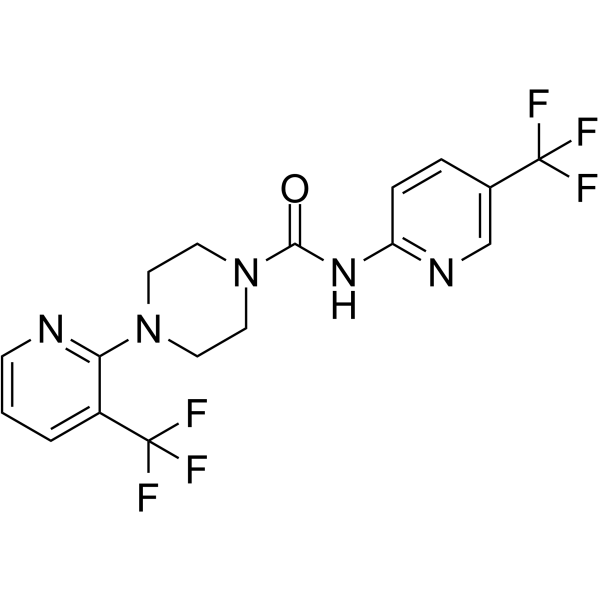
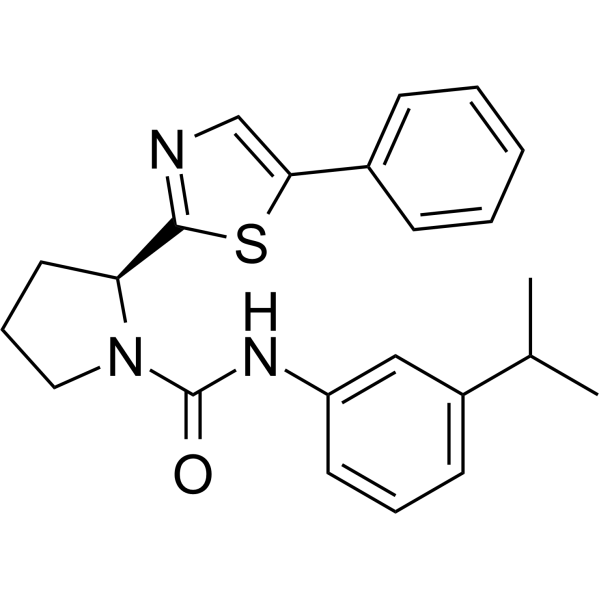 0 ImagesTRPV1 antagonist 3 (Compound 7q) is a potent TRPV1 antagonist with an IC50 of 2.66 nM against capsaicin. TRPV1 antagonist 3 is mode-selective, oral bioavailable (F = 60%) and CNS-penetrant.
-
Protokylol hydrochloride
 0 ImagesProtokylol hydrochloride (Caytine hydrochloride; JB-251 hydrochloride) is the hydrochloride salt form of Protokylol (HY-114630). Protokylol hydrochloride is an agonist for β2-adrenergic receptor and TRPV1. Protokylol hydrochloride exhibits activity as a bronchodilator.